Sustainability in Business: How Risk Assessments Can Protect Your Future
cc
In today's rapidly changing world, businesses are increasingly recognizing the importance of sustainability. Not only does it involve environmental responsibility, but it also encompasses economic and social dimensions. One crucial tool in this journey towards sustainability is risk assessment. By identifying and mitigating potential risks, businesses can ensure long-term success and resilience.
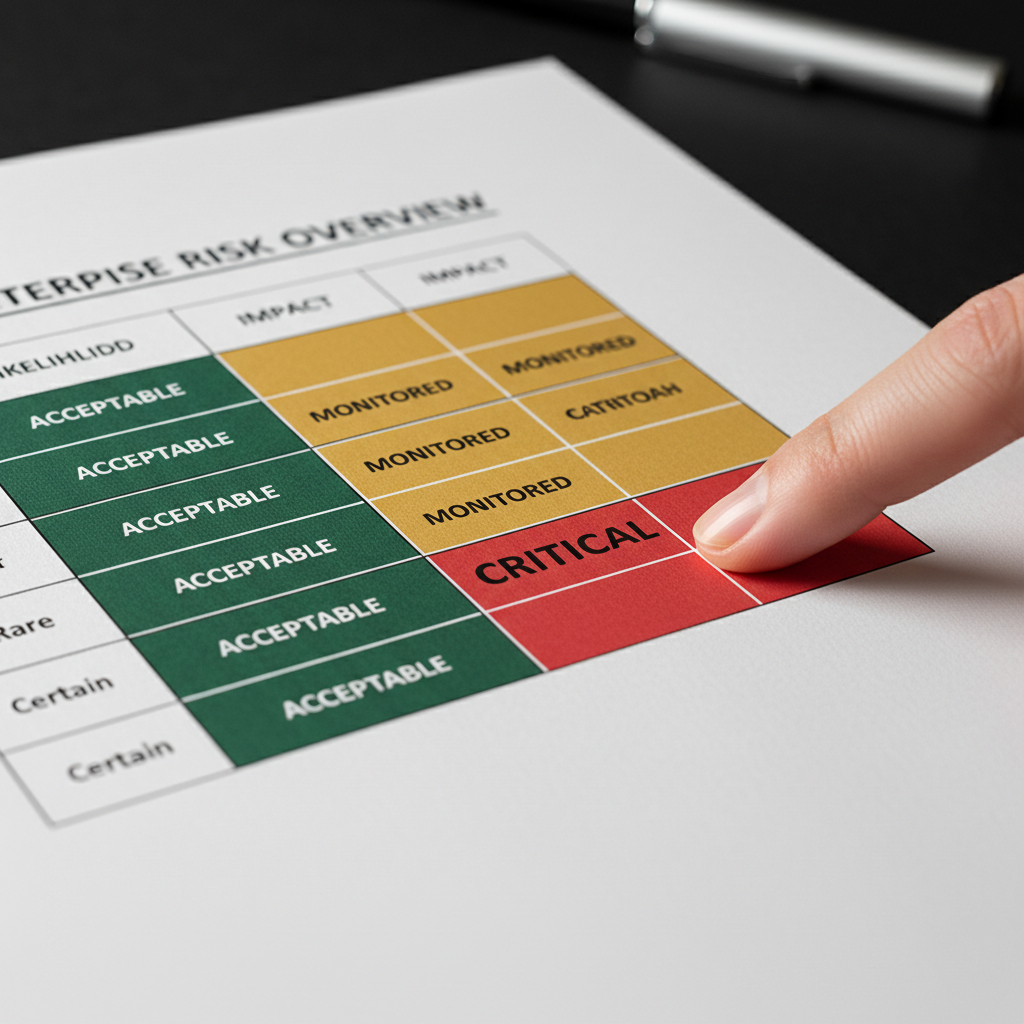
Understanding Risk Assessments
Risk assessments are systematic processes used to identify potential hazards, evaluate the risks associated with them, and determine the best ways to mitigate those risks. In the context of sustainability, this process helps businesses anticipate challenges that could impact their sustainability goals and overall operational stability.
By incorporating sustainability into risk assessments, businesses can proactively address issues such as resource scarcity, regulatory changes, and reputational risks. This comprehensive approach ensures that sustainability initiatives are not just reactive, but strategically integrated into the company’s core operations.
The Benefits of Risk Assessments for Sustainability
Conducting regular risk assessments provides numerous benefits for businesses focused on sustainability:
- Improved Decision-Making: With a clear understanding of potential risks, businesses can make informed decisions that align with their sustainability objectives.
- Enhanced Resilience: By preparing for various scenarios, companies can build resilience against environmental, economic, and social disruptions.
- Cost Savings: Identifying risks early can lead to significant cost savings by avoiding potential losses and improving resource efficiency.
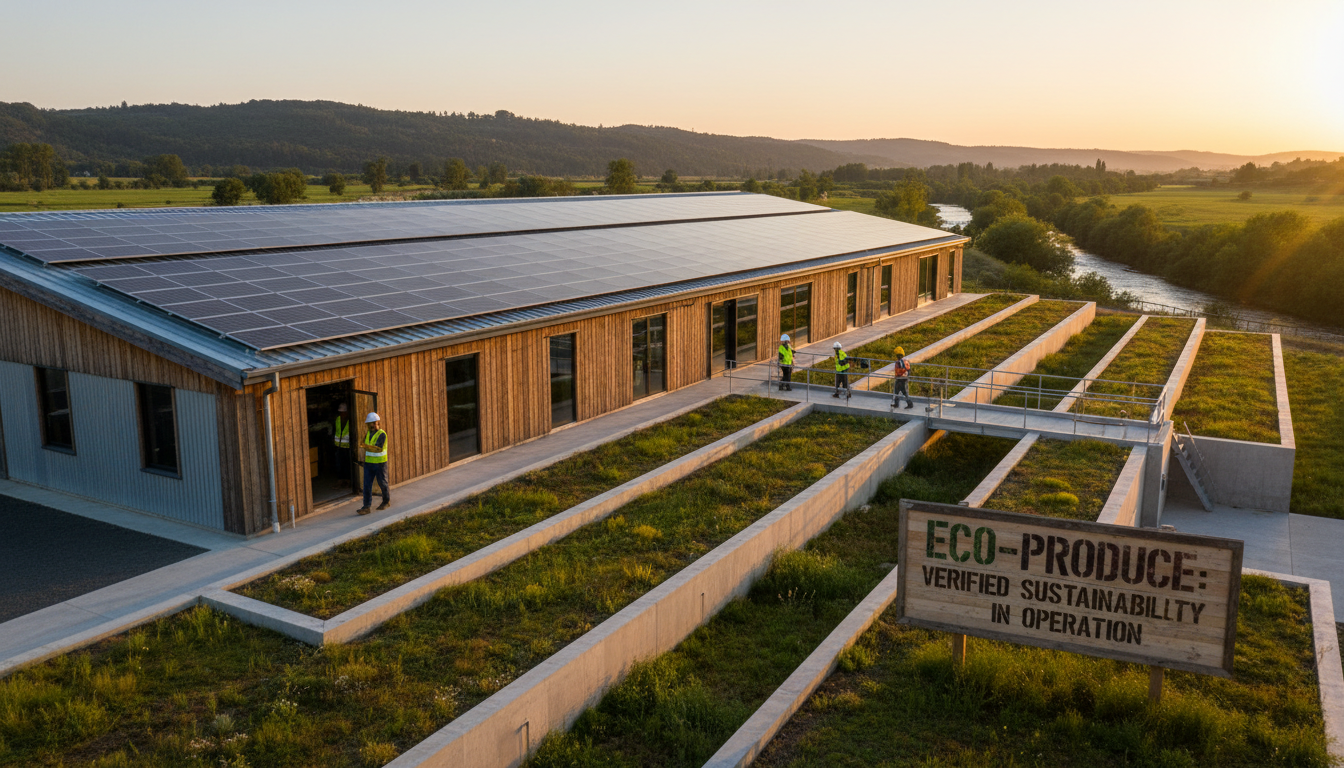
Integrating Risk Assessments into Business Strategy
For risk assessments to be truly effective, they must be integrated into the broader business strategy. This means involving cross-functional teams to ensure a holistic view of potential risks and opportunities. Collaboration with stakeholders, including suppliers and customers, can also provide valuable insights and foster a culture of sustainability.
Moreover, leveraging technology can enhance the efficiency and accuracy of risk assessments. Tools such as data analytics and predictive modeling can provide more precise risk evaluations, allowing businesses to develop targeted strategies to mitigate those risks effectively.
Case Studies: Success Stories in Sustainability
Several companies have successfully integrated risk assessments into their sustainability strategies. For instance, a global manufacturing firm used risk assessments to reduce its carbon footprint, leading to reduced operational costs and improved brand reputation. Another company in the retail sector identified supply chain vulnerabilities through risk assessments, leading to more sustainable sourcing practices.

Conclusion: Protecting the Future
Sustainability in business is not just a trend; it's a necessity for long-term success. By incorporating risk assessments into their strategies, businesses can protect their future against potential disruptions and align more closely with sustainable development goals. This proactive approach not only safeguards the environment but also ensures economic viability and social responsibility.
In a world where uncertainty is the only certainty, risk assessments provide a roadmap for navigating challenges and seizing opportunities in the pursuit of sustainability.